Explore how social media reshapes friendships, romance, family bonds and community — the benefits (connection, maintenance), the harms (comparison, distraction, conflict), the evidence, and practical ways to use platforms without letting them harm your closest ties.
1. Introduction#
Social media rewired how people meet, talk, and maintain relationships. It stretches friendship networks across continents, makes private moments public, and gives rise to new norms (liking, tagging, “streaks”). At the same time it brings novel stresses: distraction during face-to-face time, curated comparison, and new channels for misunderstanding or conflict. This essay explains the major ways social platforms change interpersonal life, summarizes what research and surveys show about the effects, and offers practical practices to protect and deepen real relationships.
2. How social media changes what we count as a relationship#
2.1 Quantity versus quality#
Social platforms let people maintain many weak ties easily — acquaintances, distant relatives, dozens or hundreds of “friends” or followers. These extended networks increase access to information, opportunity, and social support in crises, but they don’t automatically produce close, intimate bonds. Empirical work finds that while online connectivity can expand social reach, strong-tie quality still depends on repeated, meaningful interaction.
2.2 Publicness and performative connection#
Social media often turns private interactions into public performances (photos, relationship-status posts, public comments). This changes norms: people curate identities and relationships for audiences, which can strengthen group belonging but also create pressure to perform intimacy or to interpret gestures (likes, comments) as signals of commitment or neglect.
3. Communication: faster, asynchronous, but shallower at times#
3.1 Benefits — upkeep and long-distance contact#
Platforms excel at maintaining contact when geography separates people. Messaging, video calls, and shared media let families, friends, and couples stay involved in everyday life across time zones. Research and surveys consistently show social media as an important tool for keeping people connected, especially younger users.
3.2 Costs — distraction and reduced quality of face-to-face time#
Constant notifications and multitasking reduce attention in present-moment interactions. People report that partners or friends on their phones feel less emotionally available; observational and survey studies link in-person distraction to lower relationship satisfaction when it becomes habitual.
4. Comparison, identity, and the “highlight reel” problem#
4.1 Curated feeds and social comparison#
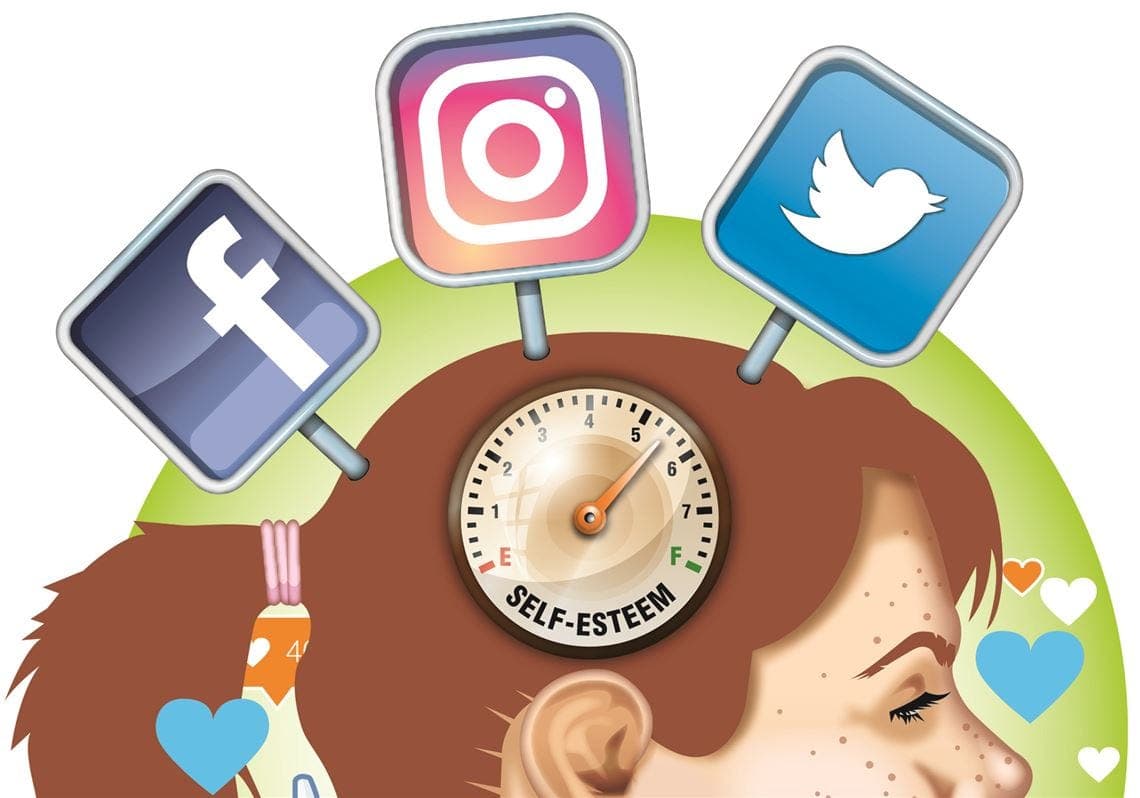
Social media tends to show selective, polished snapshots of others’ lives. Comparing yourself to these highlight reels can lower self-esteem or create resentment within relationships (e.g., “Why didn’t they post about us?” or “Why does their life look so perfect?”). Several studies associate more time on visual/social platforms with increased negative social comparison and reduced satisfaction.
4.2 Identity experimentation and signaling#
On the positive side, platforms allow people to explore identities, find communities, and express values that may be hard to share locally. This can strengthen authenticity and help form supportive friendships, especially for marginalized groups.
5. Romance and dating: new possibilities, new frictions#
5.1 Meeting and courtship transformed#
Dating apps and social media dramatically broaden the pool of potential partners and allow different courtship rhythms (messaging, public/ private signals, social proof via followers). This increases choice but also raises search costs and decision fatigue.
5.2 Sources of conflict and jealousy#
Social media creates novel triggers for conflict: ambiguous likes, following exes, public comments, and discovery of hidden social networks. Empirical studies show associations between heavy platform use (especially image-focused apps) and lower romantic satisfaction or increased conflict for some couples, though effects vary by use patterns and relationship context.
6. Family dynamics and generational shifts#
6.1 Parenting and oversight vs autonomy#
Parents use social media for monitoring, sharing milestones, and coordinating care, but excessive surveillance can erode trust. Young people often experience tensions as parents and older relatives adopt platforms in different ways, reshaping privacy expectations and family boundaries.
6.2 Elder inclusion and exclusion#
For older adults, social media can reduce isolation by facilitating contact with family; but platform complexity, access gaps, and different norms can also produce miscommunication or emotional distance. Surveys show platform use varies strongly by age and purpose.
7. Community, activism, and civic ties#
Social media can strengthen communities by organizing events, amplifying marginalized voices, and coordinating collective action quickly. At the same time, algorithmic echo chambers and polarized networks can deepen social fragmentation and reduce exposure to opposing views. The net effects on civic trust and social capital depend on how platforms are used and moderated.
8. Mental health, loneliness, and the evidence base#
8.1 Mixed but important patterns#
Research is not unanimous: some studies show that social media supports social connection and reduces loneliness when used to maintain relationships; others find associations between heavier use and increased loneliness, anxiety, or depressive symptoms — especially when use involves passive scrolling or negative social comparison. Recent systematic studies and meta-analyses emphasize nuance: platform, purpose of use, user vulnerability, and context matter a great deal.
8.2 Practical interpretation of the evidence#
A useful rule: active, communicative use that strengthens real relationships tends to help; passive, comparative use tends to hurt. Policy reports and psychological surveys highlight rising loneliness and mental-health concerns while also acknowledging social media’s role in connection — the technology amplifies existing social conditions rather than creating them from scratch.
9. Practical guidance — using social media without losing relationships#
Prioritize face-to-face attention: adopt simple rules (phone-free meals, single-tasking during conversations) to protect presence.
Use platforms deliberately: favor messaging, scheduling calls, and sharing experiences privately over endless passive browsing.
Manage notification and display settings: silence nonessential alerts and hide metrics (likes, view counts) if they trigger comparison or anxiety.
Talk about norms with close ones: agree on expectations around posting private moments, commenting on friends/exes, and acceptable online behavior.
Limit time, especially before bed: set clear boundaries (time limits, app timers) to avoid attention drain and sleep disruption.
Curate your feed intentionally: follow supportive creators and unfollow or mute accounts that provoke negative comparison.These steps reflect both psychological findings and practical behavior-change principles that preserve relationship quality while retaining social benefits.
10. The future: platform design and social norms#
How relationships evolve will depend as much on design and regulation as on individual choices. Platform features (ranking algorithms, privacy tools, ephemeral messaging, reaction mechanics) shape what counts as signal vs noise in relationships. Policy debates (content moderation, youth safety, algorithmic transparency) and cultural negotiation (new etiquette for online intimacy) will determine whether social media becomes a net enhancer of human connection or a persistent source of social strain. Surveys show platform demographics and design already shifting the social landscape — younger users on some platforms, older on others — which will continue to reshape norms.
11. Conclusion — digital tools, human work#
Social media is neither a cure nor a curse for human relationships; it is a powerful set of tools that amplify human tendencies. Used with intention, platforms help sustain long-distance ties, mobilize community, and support identity discovery. Used without reflection, they can fragment attention, fuel comparison, and create new avenues for conflict. The healthiest path is a pragmatic one: treat social media as an aid to relationships (not a replacement), set boundaries, and cultivate the offline habits that make deep human connection possible.